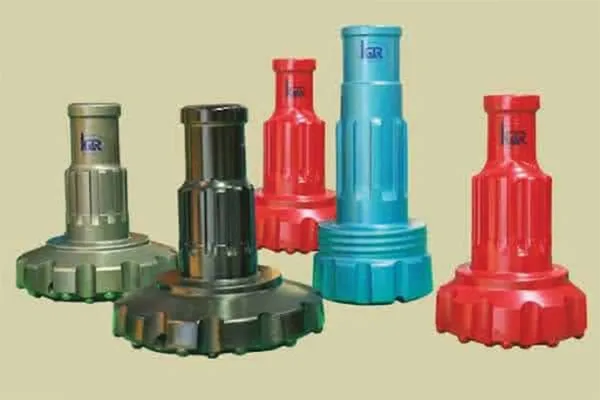

Down-the-hole (DTH) drilling techniques find extensive application in mining operations together with construction work and water well installation because they deliver high efficiency for drilling deep vertical holes. The selection of appropriate Down-The-Hole (DTH) hammer and bits stands as the essential factor which determines your project's achievement level in drilling. Incorrect equipment selection leads to inefficient operations as well as higher expenses which may result in complete project failure. This educational material helps you pick suitable DTH hammers and bits based on your drilling project needs.
UNDERSTAND YOUR NEEDS
Before selecting a DTH hammer and bits, you need to thoroughly assess your drilling requirements. Consider the following factors:
Type of Material: The drill rock substance along with its hardness levels and abrasive components determines which hammer and bit you should select for the project. Different rigs must be used for drilling soft materials since their requirements differ from those needed to drill through hard abrasive rock formations.
Diameter and Depth: Hole dimension together with drilling depth determines which hammer along with bit type you need to make the hole. Holes demanding greater power need specialised hammers as well as specialised equipment when making deep boreholes to ensure overall precision of the drilled hole.
Drilling Method: Direction of drilling operation needs consideration as one factor when selecting between hammers and bits.
Project Scale: The scale of your project will determine whether you need standard or heavy-duty equipment.
TYPES OF DTH HAMMERS
DTH hammers come in various types and sizes, each designed for specific drilling conditions. The main types include:
Standard DTH Hammers: Standard DTH Hammers find their application in medium to hard rock conditions for drilling typical purposes. Standard and mining construction sites use these tools due to their established requirements.
High-Pressure DTH Hammers: Designed for deep drilling and hard rock formations, these hammers operate at higher pressures to deliver more impact energy.
Low-Pressure DTH Hammers: Ideal for shallow drilling and softer formations, these hammers operate at lower pressures and are more cost-effective.
Casing Hammers: These are used when drilling requires simultaneous casing installation, such as in water well drilling or geotechnical projects.
TYPES OF DTH BITS
The DTH bit is the cutting tool attached to the hammer, and its selection is critical for optimal performance. The main types of DTH bits include:
- Convex Bits: These bits have a rounded shape and are ideal for hard, abrasive rock formations. They provide better stability and wear resistance.
- Concave Bits: Designed for softer formations, concave bits have a flatter profile and are more efficient in cutting through softer materials.
- Flat Face Bits: These bits are used for medium-hard formations and offer a balance between penetration rate and durability.
- Custom Bits: For specialised projects, custom-designed bits may be required to address unique drilling conditions.
MATCH THE HAMMER AND BIT
The hammer and bit must be compatible to ensure optimal performance. Consider the following:
- Size Compatibility: The hammer and bit must be of the same size and thread type to ensure a proper fit.
- Impact Energy: The hammer’s impact should match the bit’s design and the rock formation. Too much energy can damage the bit eventually, while too little can reduce drilling efficiency.
- Air Pressure and Flow: Ensure the hammer and bit are designed to operate at the same air pressure and flow rate.
CONSIDER THE OPERATING CONDITIONS
The operating environment plays a significant role in selecting the right equipment. Consider the following:
- Temperature: Extreme temperatures can affect the performance of the hammer and bit. Choose equipment designed to withstand the specific temperature conditions.
- Dust and Debris: In dusty environments, choose hammers and bits with better sealing and dust protection to prevent wear and tear.
- Water and Corrosion: For wet or corrosive environments, select equipment with anti-corrosion coatings and materials.
EVALUATE COST & PERFORMANCE
While it may be tempting to choose the cheapest option, it’s important to balance cost with performance. High-quality hammers and bits may have a higher upfront cost but can save money in the long run by reducing downtime, maintenance, and replacement costs. Here are a few points that may need to be considered:
- Durability: How long will the hammer and bit last under the existing drilling conditions and if it can complete the project effectively?
- Efficiency: Will the acquired equipment help you complete the project faster without costing you any further?
- Maintenance: How frequently does it require maintenance and it is easy to repair in case of damage?
CONSULT WITH EXPERTS
If you are unsure about the best DTH hammer and bit for your project, it is best to consult with drilling equipment experts or manufacturers. They can provide valuable insights based on your specific requirements and recommend the most suitable equipment.
REGULAR MAINTENANCE AND MONITORING
Once you have selected the right hammer and bit, proper maintenance is a must to ensure their longevity and performance. Be sure to regularly inspect the equipment for wear and tear, and replace worn-out parts without delays. Monitor the device performance parameters such as penetration rate, air pressure, and vibration to detect any issue with its performance and potential damage.
Choosing the right DTH hammer and bits is crucial for the success of your drilling project. Only by understanding your drilling requirements, selecting compatible equipment, and considering operating conditions, you can optimise performance and reduce costs. Always prioritise quality and consult with experts when in doubt. With the right equipment and proper maintenance, you can achieve efficient and effective drilling results.